Learning new things and team building in Barcelona
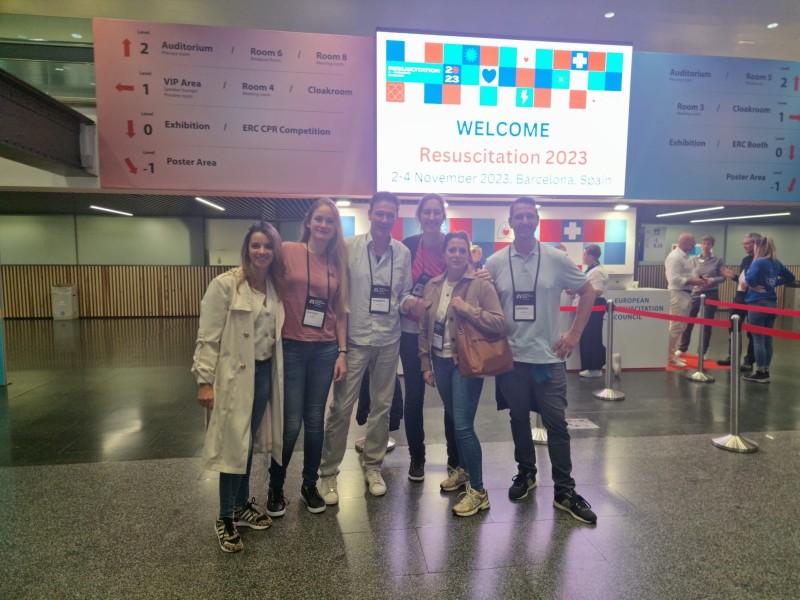
A team involved in the training of resuscitation techniques attended a congress in Barcelona in November where new developments in this field were presented. A learning experience that was also good for team building.
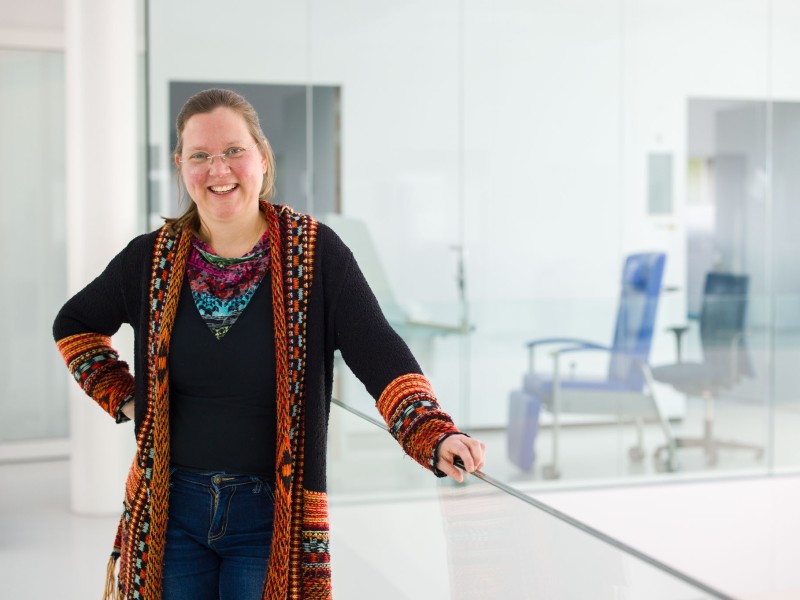
'We think it is important that our nurses have the opportunity for self-development and training,' says Debby van Leeuwen, Manager Clinical Research Unit. 'We want our nurses to feel at home here and have opportunities for professional development. That includes being able to attend a congress if it suits their duties. This used to be reserved for doctors and researchers, but that’s no longer the case.'
BLS training
Everyone working in the Clinical Research Unit (CRU) is required to receive training in Basic Life Support (BLS, also known as cardiopulmonary resuscitation or CPR). The training is open to everyone working at CHDR. Van Leeuwen: 'At the CRU, we regularly perform studies with older participants, so we think it's extra important for everyone working there to have BLS training. But anyone can suddenly need BLS, even young people or the colleague next to you in the office. Hence, we offer the course to everyone.'
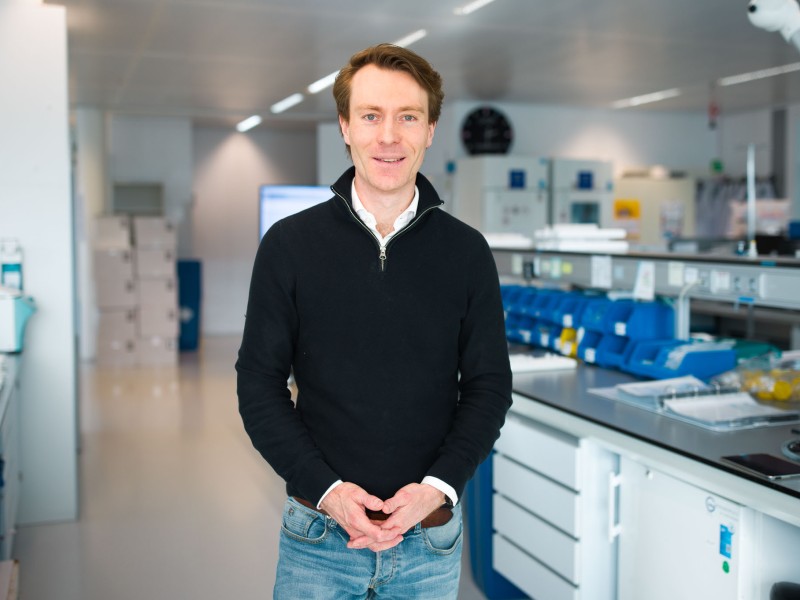
Up to now, BLS training has always been provided by nurse Peter Schouten. However, he is about to retire. To have sufficient training capacity available in the growing organisation, a number of nurses were trained to give the BLS training. Four of these BLS trainers and a few of their managers got the chance to go to the European Resuscitation Council Congress in Barcelona, together with Schouten.
'There has been a lot of research on resuscitation over the years, contributing to improved outcomes,' says Schouten. ‘But there is a limit to what you can achieve with technical improvements. Nevertheless, I was still surprised by some of the new developments presented in Barcelona. For example, there is now a new method of defibrillation that uses four electrodes instead of two which produces better results. Technically, of course, it is trickier, but it may be worth considering in a clinical setting.’
One completely different development concerned training. UEFA wants all amateur squads to receive BLS training because young athletes can sometimes suffer a cardiac arrest on the pitch. According to Schouten, ‘training amateur soccer players is not the easiest job. Many of these young people find it difficult to concentrate for a long period of time, especially if they’re not very motivated. I was glad to see that a creative solution has been found. A training programme has been developed that teaches them the basics of BLS in 20 minutes, using a competitive game format. This may save a lot of healthy life years for any player who gets proper BLS right away.'
Van Leeuwen: 'It was a very intensive programme in Barcelona, but fortunately we also had time to see the city together. It really contributed to the atmosphere within the team. I think we should organise things like this more often, for the benefit of our employees and our organisation.'
Interested in learning more?
More articles from Developing people